HPLC Calibration – Key Parameters and Acceptance Criteria

High-Performance Liquid Chromatography (HPLC) is one of the most critical analytical techniques in the pharmaceutical industry. To ensure accuracy, reliability, and compliance with regulatory requirements, HPLC calibration should be performed at regular intervals, typically every six months.
Essential calibration parameters and acceptance criteria:
Flow rate accuracy: Within ±0.5% of the set flow rate
Injector precision: %RSD of retention time and peak area ≤ 1.0%
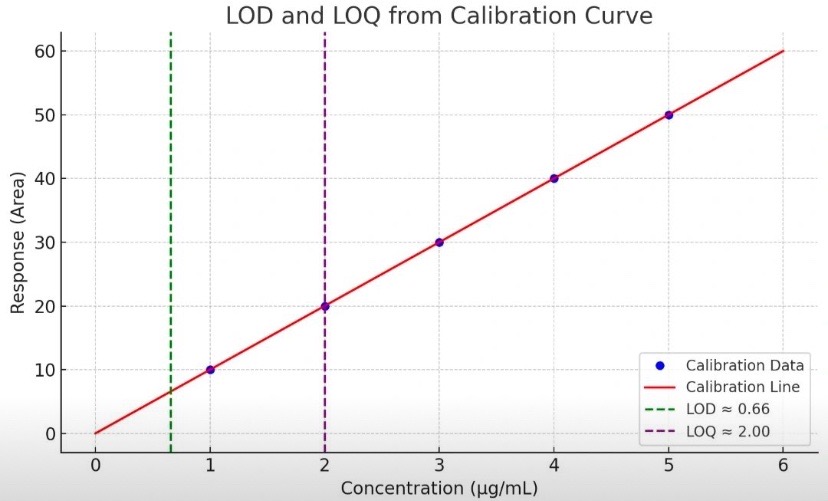
Injector linearity: Correlation coefficient ≥ 0.99
Detector wavelength accuracy: Absorption maxima/minima must fall within specified wavelength tolerances
Detector linearity: Correlation coefficient ≥ 0.99
Gradient composition accuracy: %RSD ≤ 3.0%
Carry-over: ≤ 0.1% (may differ depending on company procedures)
Column oven temperature accuracy: Within ±2 °C of the set value
Baseline drift and noise: Drift ≤ 0.01 AU/hr; Noise ≤ 0.000125 AU
Why it matters:
Regular calibration ensures data integrity, reproducibility, and compliance with GMP requirements. It strengthens confidence in analytical results, supports regulatory audits, and ensures that decisions based on HPLC data are scientifically sound.
Recommended frequency: Every 6 months, or as defined in internal quality systems.
Consistent calibration leads to consistent results and reliable decision-making in pharmaceutical development and quality control.